AI scene detection for video: when it helps, when it hurts
AI scene detection video tools shine on multi-angle shoots and struggle on single-take podcasts, know the difference.
Jordan Reeves
Head of product, Snapa
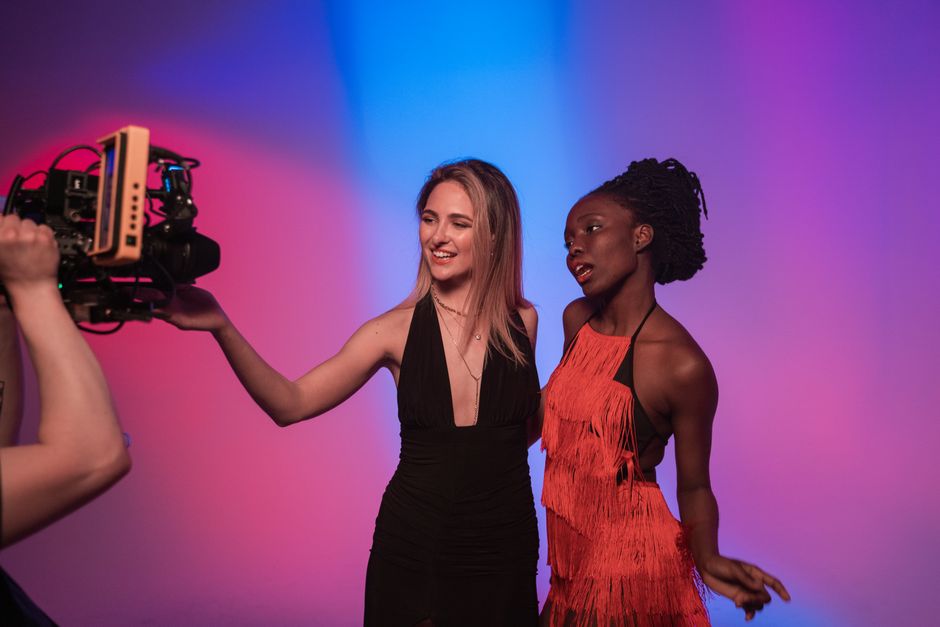
If you publish video regularly, ai scene detection video is not a nice-to-have search term, it is the bottleneck between recording and posting. Most creators do not need another filter pack. They need fewer manual steps between raw footage and a clip that survives the mute scroll test.
Caption quality separates tools that help ai scene detection video from tools that create cleanup work. Burned-in captions should survive compression, sit above platform UI safe zones, and break lines where a human would breathe.
Building a repeatable ai scene detection video pipeline
Retention beats vanity effects. For ai scene detection video, watch the first three seconds on mute, if the caption does not state the promise, tighten the opening or move the hook earlier.
Export presets matter as much as cut quality. ai scene detection video falls apart when you manually re-frame every vertical variant. Batch 9:16, 1:1, and 16:9 from one master when your tool supports it.
Checklist before you commit to ai scene detection video
- Time from upload to first platform-ready export using ai scene detection video
- Caption accuracy on jargon, names, and numbers in your niche
- Batch export limits, resolution caps, and watermark rules
- Mac-native performance on your longest typical source file
- Whether unlimited exports are included or metered per clip
Where Snapa fits ai scene detection video

Snapa targets creators who want one-click assembly: automated trims and pacing, captions tuned for silent viewing, and unlimited exports when you are ready to ship. If ai scene detection video is your bottleneck, run the same footage through Snapa and compare time-to-post against your current stack.
Start with a 30-day trial, upload raw footage you already have on disk, and batch export vertical clips for the platforms you actually use. Keep what sounds like you; let automation handle the repetitive timeline work.
Straight answers
Can ai scene detection video replace a full-time editor?
For social-first volume, often yes for assembly, captions, and exports. For brand films and complex storytelling, use ai scene detection video to prep derivatives and keep timeline work for hero pieces.
Does ai scene detection video work on long recordings?
Test your typical length, 45-minute podcasts and webinars expose weak scene detection fast. Prefer tools that process locally on Mac if you routinely ingest hour-long files.
How do I measure ROI on ai scene detection video?
Track minutes saved per published clip and posts per week before vs after. If ai scene detection video doubles output without doubling hours, the subscription pays for itself quickly.
Snapa automates cuts, pacing, captions, and exports so you can publish more without living in a timeline. Start a 30-day trial, upload your messiest raw footage, and time how long it takes to get platform-ready exports.
Related in AI video editing
More guides in the same category.
- AI video editor: what creators should demand in 2026How to evaluate an AI video editor for cuts, pacing, captions, and exports, without trading quality for buzzwords.
- AI video editing software compared for busy creatorsWhat separates useful AI video editing software from demo-ware, and how to test it on your real footage.
- Automated video editing that still sounds like youAutomated video editing works when you control pacing, captions, and export presets, not when it ships random jump cuts.
Jordan Reeves
Head of product, Snapa
Writes about AI video editing, short-form workflows, captions, and shipping more content with less timeline time.